Interact V2
FREE
Details
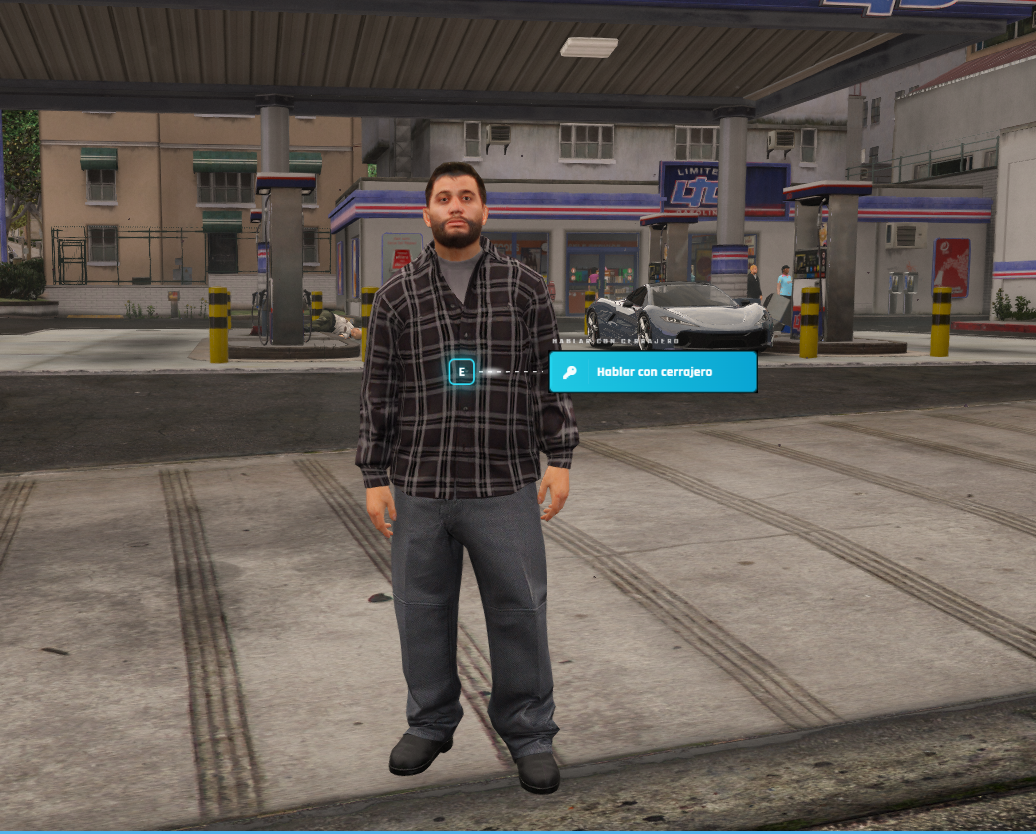
Ryders Interact v2 is a fully custom 3D interaction menu system for FiveM. Build your own interactions from scratch using the native export API, or drop it in as a replacement for ox_target and qb-target — add one line to any script's fxmanifest.lua and it runs through Ryders Interact instantly, no code changes required. No overlays, no flat menus, just a floating menu anchored directly to entities and points in the world.
[SHORT] 3D Interaction Menu | ox_target & qb-target compatible | QBCore, ESX & QBOX [/SHORT] [TAGS: QBCORE, QBOX, ESX]
3D World-Space Menu
A floating animated menu that appears directly in the game world — anchored to NPCs, vehicles, props, and coordinate points. No overlays, no cursor, no immersion break. The player navigates with keyboard or scroll wheel without ever leaving the scene.
Build from Scratch with Exports
Full native API to create interactions on any entity type: specific entities by handle, entities by NetworkID, fixed world coordinates, all props sharing a model, all NPCs, all vehicles, all players, or all objects in range. Live update items and titles without re-registering targets.
ox_target & qb-target Compatible
Add one line to any script's fxmanifest.lua and it runs through Ryders Interact instantly — no changes to existing code required. Supports the full API of both systems including addLocalEntity, addModel, addSphereZone, AddTargetEntity, AddPolyZone and all remove methods.
Unlimited Nested Submenus
Build deep menu trees with categories and subcategories. Each item supports rightText for prices or status labels, enabled = false for locked options, and canInteract callbacks evaluated in real time to show or hide items dynamically.
Per-Script Configuration
Each script using the bridge can define its own interaction behaviour independently — distance, prompt text, menu title, vehicle visibility, and world offset — without affecting anything else on the server. Priority is always RydersConfig > ox/qb value > system default.
Job & Gang Permissions
Native support for job, gang, and groups filters on individual items. Compatible with all formats used by QBCore and ESX — grade objects, array lists, and single string values interchangeably.
QBCore · ESX · QBOX · Standalone
Framework detection is automatic. Job and gang data is resolved natively from QBCore or ESX if present. No framework is required — the system works fully standalone out of the box.
Interact V2
Free